
If you can't choose where a workload runs, do you really control it? That's the heart of sovereignty, and it's now a live issue for more than security teams.
DevOps leads, CTOs, CFOs, researchers and AI teams all face the same problem. Data, models and apps now sit across public clouds, edge sites and on-prem systems. That brings speed, but it also brings legal exposure, rising spend and weaker control.
stack8s Unified Control Plane offers a practical middle path. It gives teams one way to manage placement, access and policy across mixed infrastructure, without giving up the freedom to run where it makes sense.
What sovereign cloud really means in day-to-day operations
Sovereign cloud sounds abstract, but the daily impact is plain enough. It means you stay in control of your data, your operations and your platform choices.
That breaks into three parts. Data sovereignty is about where data sits and which laws apply. Operational sovereignty is about who can administer systems, set policy and access logs or backups. Technology sovereignty is about avoiding hard dependence on one vendor's tools, billing model or control layer.
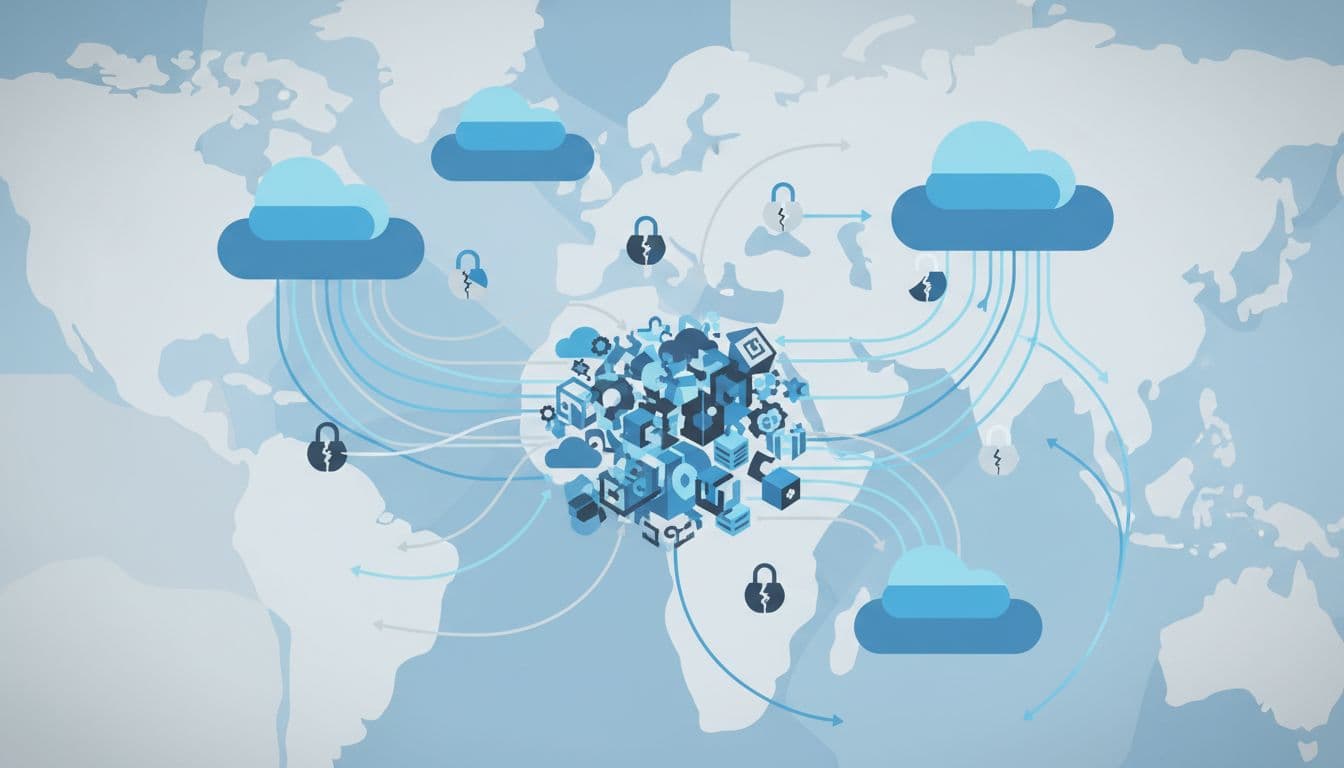
Public cloud sprawl weakens all three. Teams add services fast, then lose sight of cross-border data movement, admin paths and policy drift. Costs rise as well, because workloads stay in the wrong place and switching gets harder over time.
Sovereignty isn't a server postcode. It's control over placement, access, tooling and recovery.
Data location alone does not solve the sovereignty problem
Keeping data in one country helps, but it doesn't finish the job. The control plane may still sit elsewhere. Admin access may cross borders. Logs, telemetry and backups may land in another region.
That matters even more for AI. Prompts, embeddings, training data, model artefacts and outputs can all carry sensitive value. If those assets move through third-party services without clear rules, the data may stay local while the real control does not.
Why multi-cloud often adds freedom, but also more risk
Multi-cloud can reduce dependence on one provider. That's the good part. A regulated business can place workloads in a preferred region, while a growing software firm can shop around for price or GPUs.
However, freedom comes with more moving parts. Different clouds bring different IAM models, network rules, logging stacks and billing logic. Policy gaps appear quickly. One team might restrict model data in one region, while another sends observability data elsewhere by mistake.
How stack8s Unified Control Plane helps teams keep control across clouds and on-prem
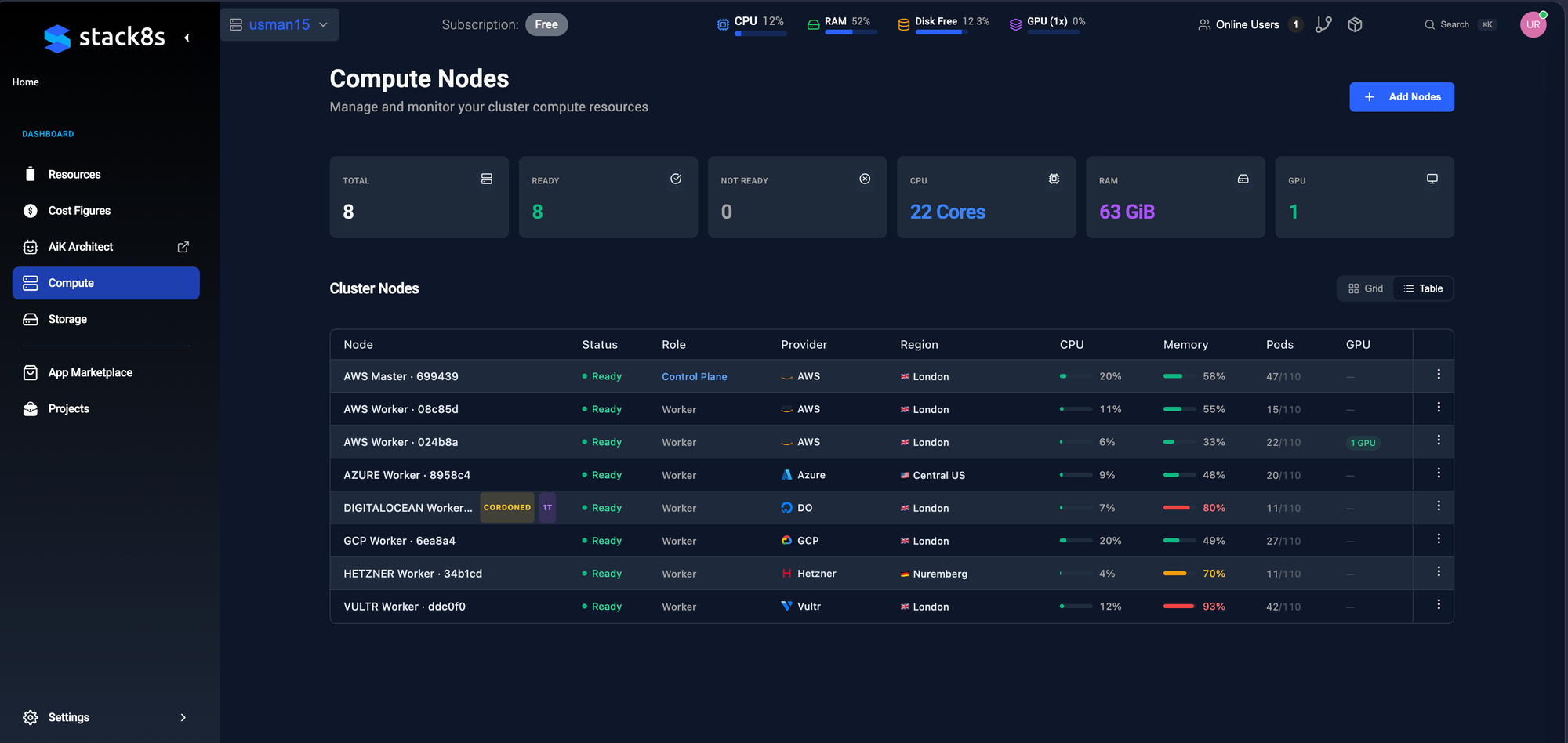
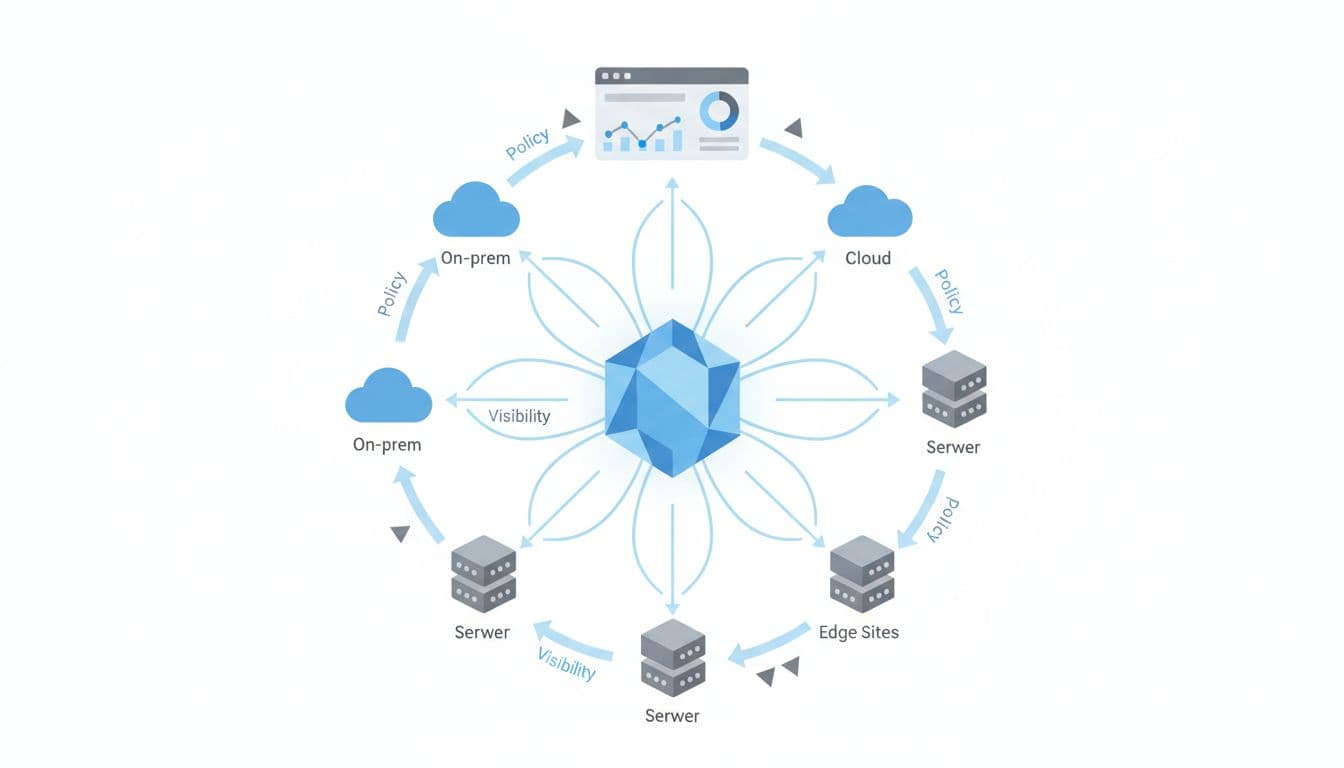
stack8s takes a Kubernetes-based route to sovereignty. Rather than managing each provider in isolation, teams use one control plane to manage clusters, projects, policies and workload placement across cloud, edge and on-prem environments.
That matters because sovereignty fails at the joins. When each environment has its own tools and rules, control turns patchy. A unified control plane reduces those blind spots and makes portability more realistic.
One control layer for placement, policy and visibility
With stack8s, teams can choose where workloads run, in a specific region, with a given provider, or inside a private environment. At the same time, they keep a single operational view across those locations.
The Spine network fabric connects hybrid clusters across more than 15 providers and edge or on-prem sites. That gives teams a common layer for CPUs, GPUs and storage. As a result, they can place AI jobs where data rules fit, move app workloads closer to users, and keep policy consistent instead of rewriting it for every platform.
Private-by-design building blocks for AI and modern apps
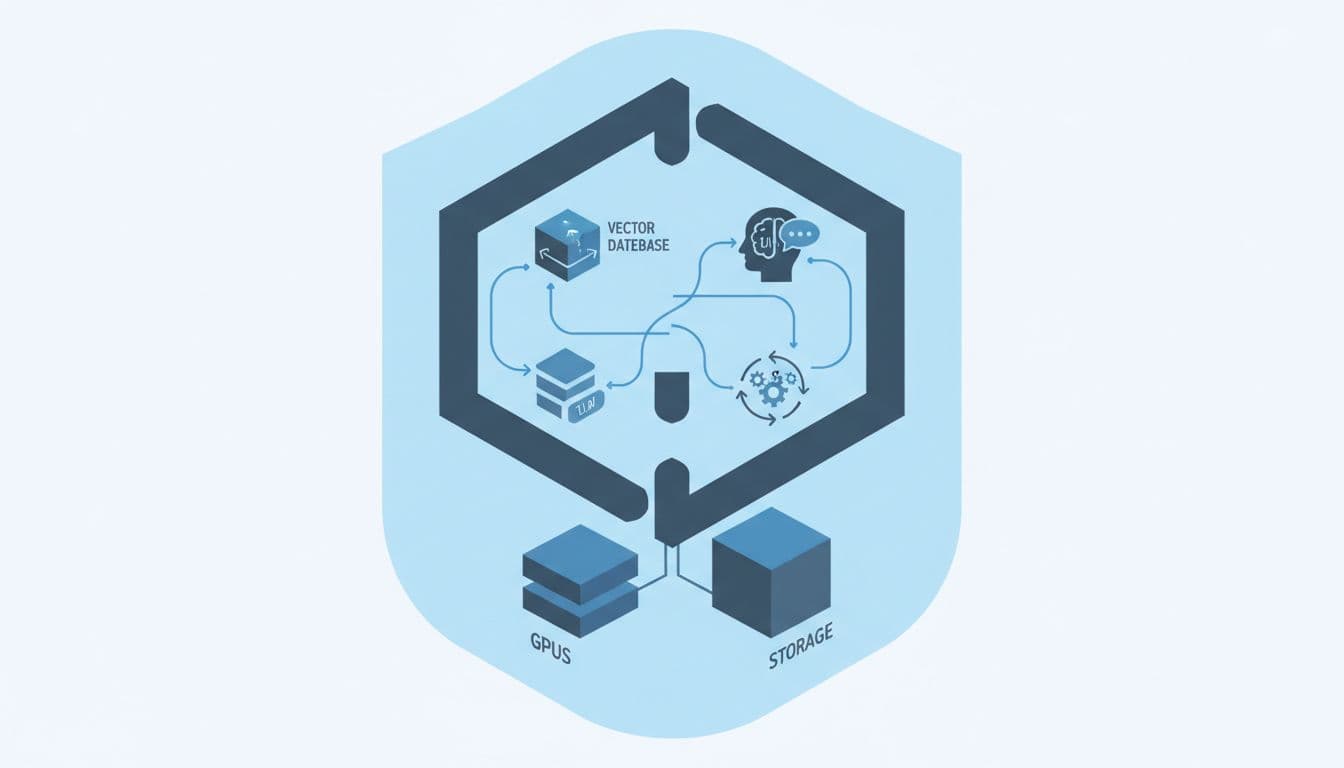
Sovereign AI needs more than compute. It also needs private source control, private image storage and repeatable delivery. stack8s supports that with private Git and container registry options, plus GitOps and MLOps workflows that stay under your control.
Its marketplace also helps teams move faster without defaulting to outside services for every piece. That includes vector databases, LLM tooling and common data or ML components. So an analytics team can build a private RAG workflow, and a research group can run model work with fewer third-party touchpoints.
Zero-trust security and regional redundancy support stronger governance
Security and sovereignty overlap, but they aren't the same. Still, stronger access control gives sovereignty real force. stack8s uses a zero-trust model, tenant separation and regional redundancy to keep access tighter and failure options clearer.
That helps in two ways. First, teams decide who can reach which environments and data sets. Second, they can plan failover and recovery on their own terms, rather than accepting a default pattern from a single vendor.
What this means for cost, compliance and vendor lock-in
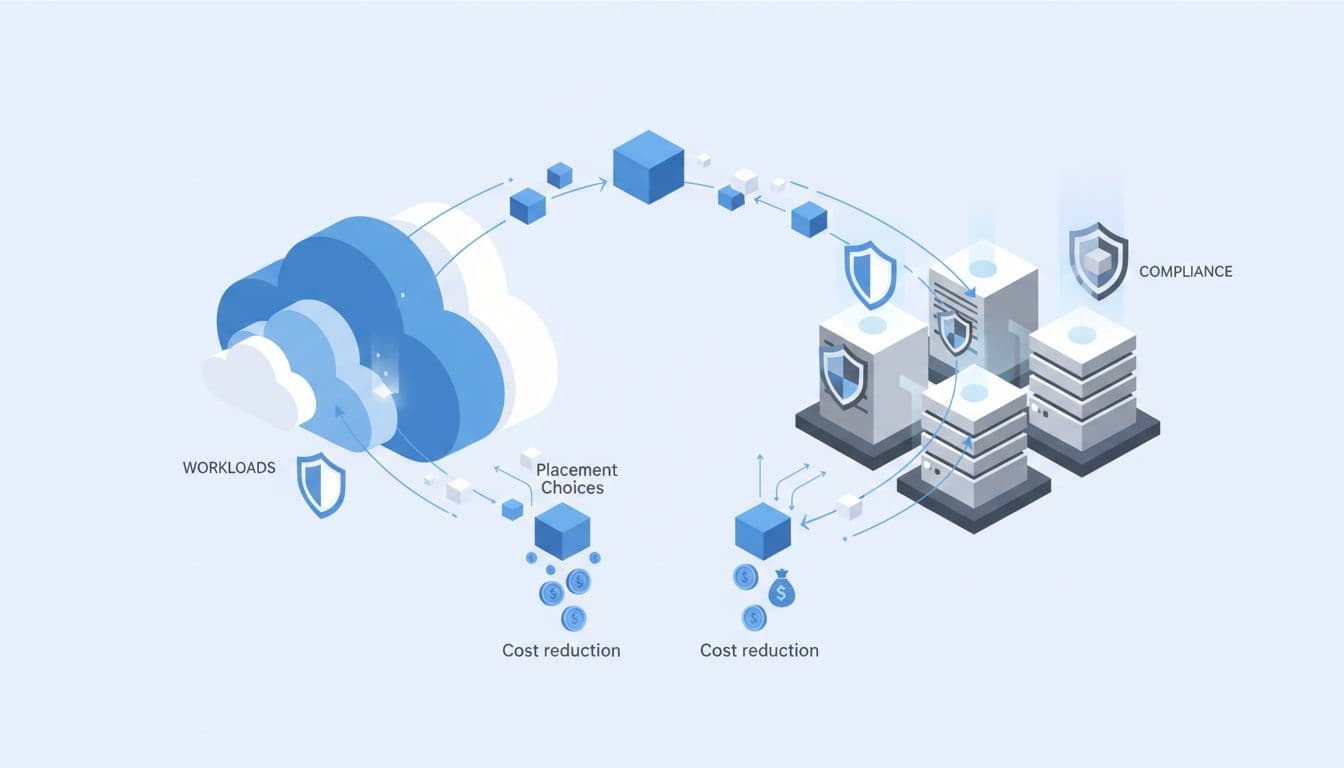
Technical control has business value. When teams can place workloads with intent, they waste less spend, reduce switching risk and make audits easier.
A simpler control model also helps internal governance. Security, platform and finance teams can work from the same operating view, rather than stitching together reports from separate clouds and tools.
Move workloads to the right place without rebuilding everything
This is where portability stops being a theory. Teams can run AI or app workloads where price, performance and data rules line up best. If GPU prices spike in one region, they can burst elsewhere. If rules change, they can migrate without rewriting the whole stack.
That flexibility matters to both engineers and finance teams. Engineers keep deployment options open. Finance leaders get a way to reduce lock-in before it turns into a long-term cost problem.
A more practical route to sovereignty than heavy platform lock-in
Some organisations want Kubernetes control but not the overhead of a heavier platform. In that context, stack8s can be a simpler option than platforms such as OpenShift, especially for teams that need hybrid reach and infrastructure choice without a large operational layer on top.
The point isn't to avoid platforms at all costs. It's to choose one that keeps your options open. Sovereignty gets stronger when the platform supports portability instead of replacing one lock-in with another.
Sovereignty doesn't come from a single checkbox. It comes from clear control over where workloads run, who can access them, which tools they depend on and how they recover when something fails.
stack8s Unified Control Plane helps bring that control into one place. For organisations building private AI and modern apps across cloud and on-prem, that's a practical way to balance flexibility with authority.
If you're weighing speed against control, start with one question: who decides where your workloads live tomorrow?
Let's connect!